
Motos
Plata
Plata rolls quietly in a sleek grey shade inspired by mineral landscapes and open roads. Honda 125cc built for freedom and easy exploration.

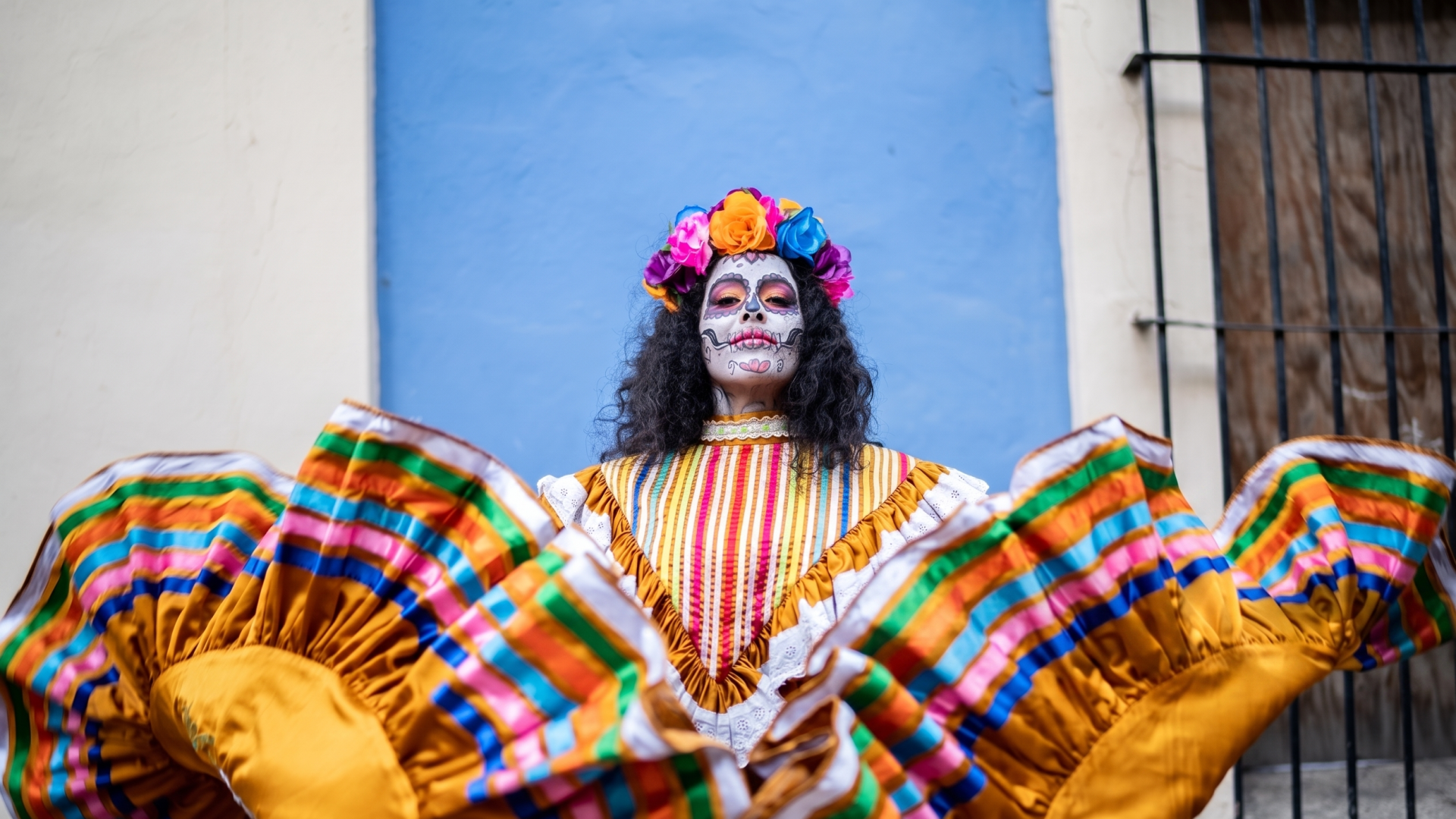
Mexico dresses in light, scent, and memory when autumn arrives. The Day of the Dead (Día de Muertos) festival in Oaxaca represents much more than a simple celebration; it is a profound, sacred encounter between the world of the living and that of the ancestors. In the historic cobblestone streets, the air fills with the rich aroma of burning copal resin and golden flower petals. This unique tradition redefines mortality: here, death is not a dark end, but a vibrant, colorful, and joyful stage of human existence.
Day of the dead in Oaxaca: a tradition of infinite color and living heritage
Experiencing the Day of the Dead in the heart of Oaxaca’s Central Valleys is a total sensory immersion. Every neighborhood transforms into an open-air sanctuary where the brilliant orange of cempasúchil (marigold) flowers guides souls back to their former homes. This ancestral tradition rests on a deep-rooted belief: for a few magical nights, the departed return to share a meal and celebrate with their loved ones. An authentic spiritual fervor permeates the air, far removed from commercial clichés, where every gesture carries a sacred meaning inherited from Zapotec and Mixtec roots.
The city vibrates to the rhythmic beat of comparsas—lively nocturnal parades where locals paint their faces as elegant catrinas and skeletons, dancing through the streets until dawn. Creativity and warmth radiate everywhere as families frequently open their doors to share stories with curious travelers. It is this profound hospitality and serene perspective on mortality that makes Oaxaca so extraordinary. Death is honored with immense respect, but also with a boundless vitality that transforms grief into a collective celebration of life.
Sacred altars, melodies, and illuminated cemeteries
At the heart of every home stands the ofrenda (altar), a multi-tiered space carefully prepared for departed loved ones. It is adorned with traditional pan de muerto, seasonal fruits, hand-carved sugar skulls, flickering candles, and the favorite dishes of those being remembered. These intimate rituals are essential for maintaining a living bridge across generations. Music also plays a vital role, echoing through illuminated graveyards. Mariachi bands and local brass ensembles play both melancholic ballads and uplifting melodies to honor the memory of the departed.
Visiting historical cemeteries like Xoxocotlán allows one to grasp the true scale of this celebration. Thousands of candles illuminate the graves, casting a warm, golden glow and creating an atmosphere of deep tranquility. Families gather around the tombs to eat, sing, and share cherished memories late into the night.
Embarking on a journey to meet this culture allows us to change our perspective on our own relationship with time. It is a journey into the heart of Mexican identity, where every offering and every melody tells a love story. An essential human adventure for anyone seeking to understand the soul of this magnificent country and its unique vision of the día de los muertos.
Plata rolls quietly in a sleek grey shade inspired by mineral landscapes and open roads. Honda 125cc built for freedom and easy exploration.

Salina moves in a bright white tone, inspired by mineral landscapes and Pacific salt flats. Clean lines, strong presence, built for escape. 5 doors, four wheel drive, roof bars and always prepared for any adventures. Available either as a basic or a fully-equipped vehicle.

Nube floats over dusty tracks, weightless and free. A white Honda XR 190 built for slow mornings, wide horizons, and roads that don’t need a destination.

Coyote runs wild under the Pacific sun, flowing easily from coast to mountains. Its beige finish keeps a low profile in any terrain. 5 doors, four wheel drive, roof rack and always ready. Available either as a basic or a fully-equipped vehicle.

Duna is a Honda XR 190 born for dry paths and wide silence. Enough power to roam freely, enough calm to enjoy the ride.

Tinto is tiny, feisty, and shining in Burgundy. Honda 125cc ready for playful rides, desert tracks, and golden sunsets.

Cayuco floats through dusty paths and rocky tracks with a grin. Beige body, 5 doors, 4×4, roof rack, your little pirogue on wheels. Take it light or fully loaded, and ride your own current.

Pantera is raw strength in Nomádico’s style. Our most capable vehicle yet: Toyota Tacoma TRD Sport, 4×4 power, premium comfort. Minimal setup or fully equipped overlander: your call.

Ocelote moves low and free under Oaxaca’s sun. It’s Arena’s twin, Jimny 4×4 with the same beige stealth. Minimal and solid. 5 doors, roof rack, and your choice of setup: light or loaded.