
Motos
Plata
Plata rolls quietly in a sleek grey shade inspired by mineral landscapes and open roads. Honda 125cc built for freedom and easy exploration.

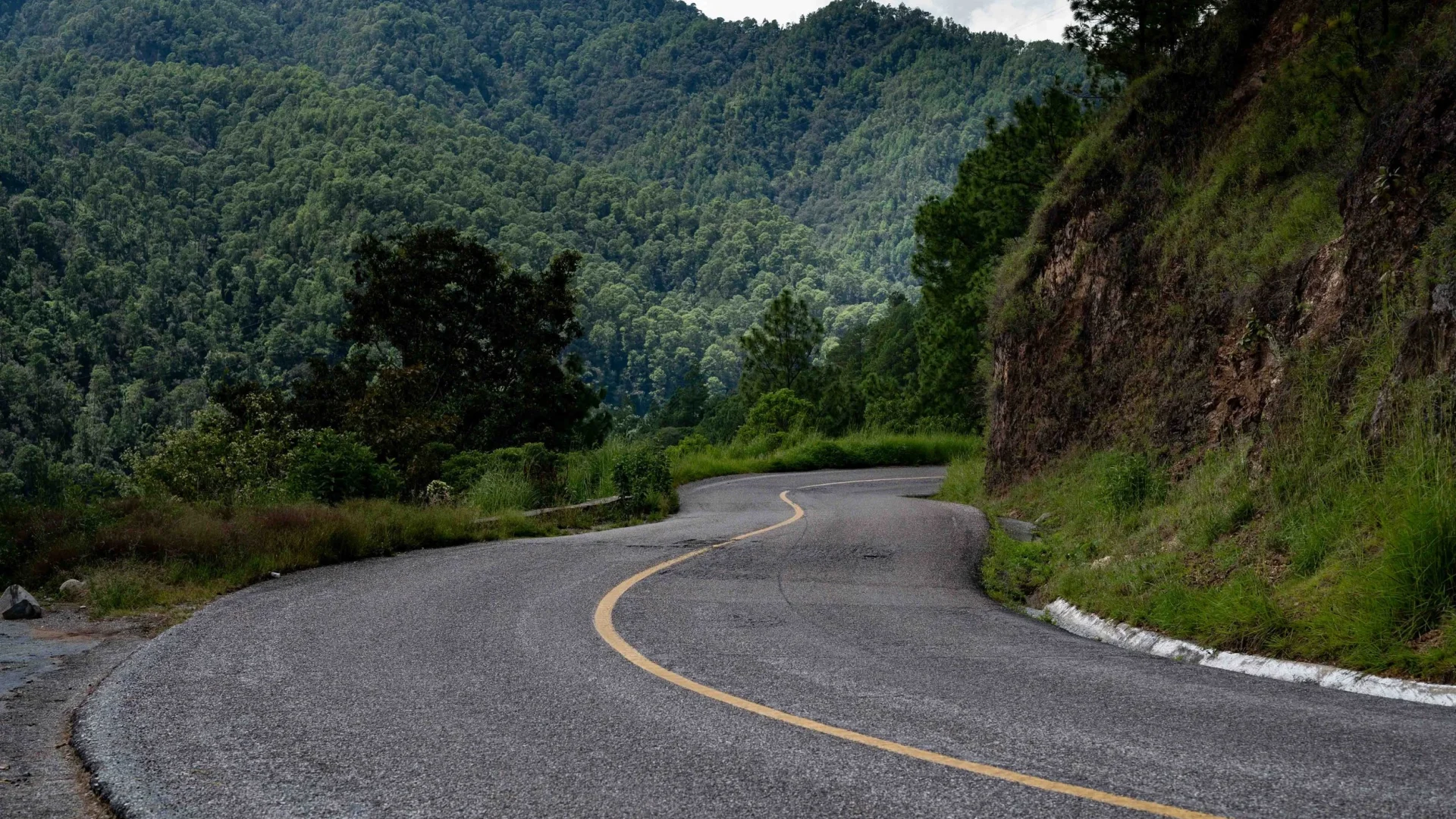
Connecting the colonial capital of Oaxaca City to the golden beaches of the Pacific coast has never been easier. The route between Oaxaca and Puerto Escondido has undergone a radical transformation, offering seamless accessibility for travelers and road-trippers alike. This modern highway crosses wildly diverse geographical zones, sweeping dramatically from high-altitude pine forests in the mountains down to warm coastal shores. Major infrastructure upgrades have completely transformed the journey, reshaping the scenery, dramatically reducing travel time, and streamlining transit across the state.
The opening of the Barranca Larga-Ventanilla highway (Carretera Barranca Larga-Ventanilla) has truly revolutionized travel within the state of Oaxaca. Previously, travelers had to endure over six to seven hours of hundreds of sharp, winding mountain curves along Route 175 or 131. Today, this expressway allows you to soak in breathtaking mountain vistas without the motion sickness or fatigue. You cross the majestic Sierra Sur with surprising fluidity, admiring local biodiversity directly from your window. The most impressive change is on the clock: travel time has been slashed from nearly seven hours down to just about three.
For pure adventure seekers and overland enthusiasts, taking the scenic secondary mountain roads remains a magical alternative. By taking these winding backroads, you discover authentic indigenous villages, hidden waterfalls tucked away in preserved cloud forests, and traditional roadside comedores. It is the ultimate choice for travelers who prioritize slow-travel exploration over highway speed. This total immersion in rural Oaxaca offers vistas and cultural encounters that the main highway only brushes past. A fantastic itinerary strategy is to start along the coast—enjoying the surf beaches and fresh seafood of Puerto Escondido—and then drive up toward Oaxaca City to explore the historic capital.
For travelers who prefer not to drive, taking a direct bus or sprinter van remains a popular, comfortable, and highly economical option. Several reliable transportation companies offer frequent daily departures from downtown Oaxaca City to Puerto Escondido. Ticket prices generally range between $300 and $600 MXN pesos, depending on the chosen class and comfort level. It is a stress-free solution that allows you to avoid dealing with highway tolls while simply focusing on the mountain views. Modern buses are equipped with air conditioning and take full advantage of the new highway, ensuring a fast, smooth arrival at the coast.
Independent travelers driving rental cars or overland rigs should always bring cash for the toll booths along the route. While the highway initially opened with free access, toll collection maintains this high-speed expressway. Toll costs remain very reasonable given the excellent road conditions and massive time savings (expect around $500 MXN total per trip in 2026). Always carry physical Mexican pesos in cash, as credit cards and electronic payments are generally not accepted at the toll gates. By combining the freedom of a personal vehicle with the efficiency of the new road, the drive becomes a pure pleasure.
The journey to the Oaxacan coast is now a fluid, enjoyable experience for every type of traveler. The road between Oaxaca City and Puerto Escondido is no longer an exhausting obstacle, but a seamless transition toward oceanfront relaxation.
Plata rolls quietly in a sleek grey shade inspired by mineral landscapes and open roads. Honda 125cc built for freedom and easy exploration.

Salina moves in a bright white tone, inspired by mineral landscapes and Pacific salt flats. Clean lines, strong presence, built for escape. 5 doors, four wheel drive, roof bars and always prepared for any adventures. Available either as a basic or a fully-equipped vehicle.

Nube floats over dusty tracks, weightless and free. A white Honda XR 190 built for slow mornings, wide horizons, and roads that don’t need a destination.

Coyote runs wild under the Pacific sun, flowing easily from coast to mountains. Its beige finish keeps a low profile in any terrain. 5 doors, four wheel drive, roof rack and always ready. Available either as a basic or a fully-equipped vehicle.

Duna is a Honda XR 190 born for dry paths and wide silence. Enough power to roam freely, enough calm to enjoy the ride.

Tinto is tiny, feisty, and shining in Burgundy. Honda 125cc ready for playful rides, desert tracks, and golden sunsets.

Cayuco floats through dusty paths and rocky tracks with a grin. Beige body, 5 doors, 4×4, roof rack, your little pirogue on wheels. Take it light or fully loaded, and ride your own current.

Pantera is raw strength in Nomádico’s style. Our most capable vehicle yet: Toyota Tacoma TRD Sport, 4×4 power, premium comfort. Minimal setup or fully equipped overlander: your call.

Ocelote moves low and free under Oaxaca’s sun. It’s Arena’s twin, Jimny 4×4 with the same beige stealth. Minimal and solid. 5 doors, roof rack, and your choice of setup: light or loaded.