
Motos
Plata
Plata rolls quietly in a sleek grey shade inspired by mineral landscapes and open roads. Honda 125cc built for freedom and easy exploration.

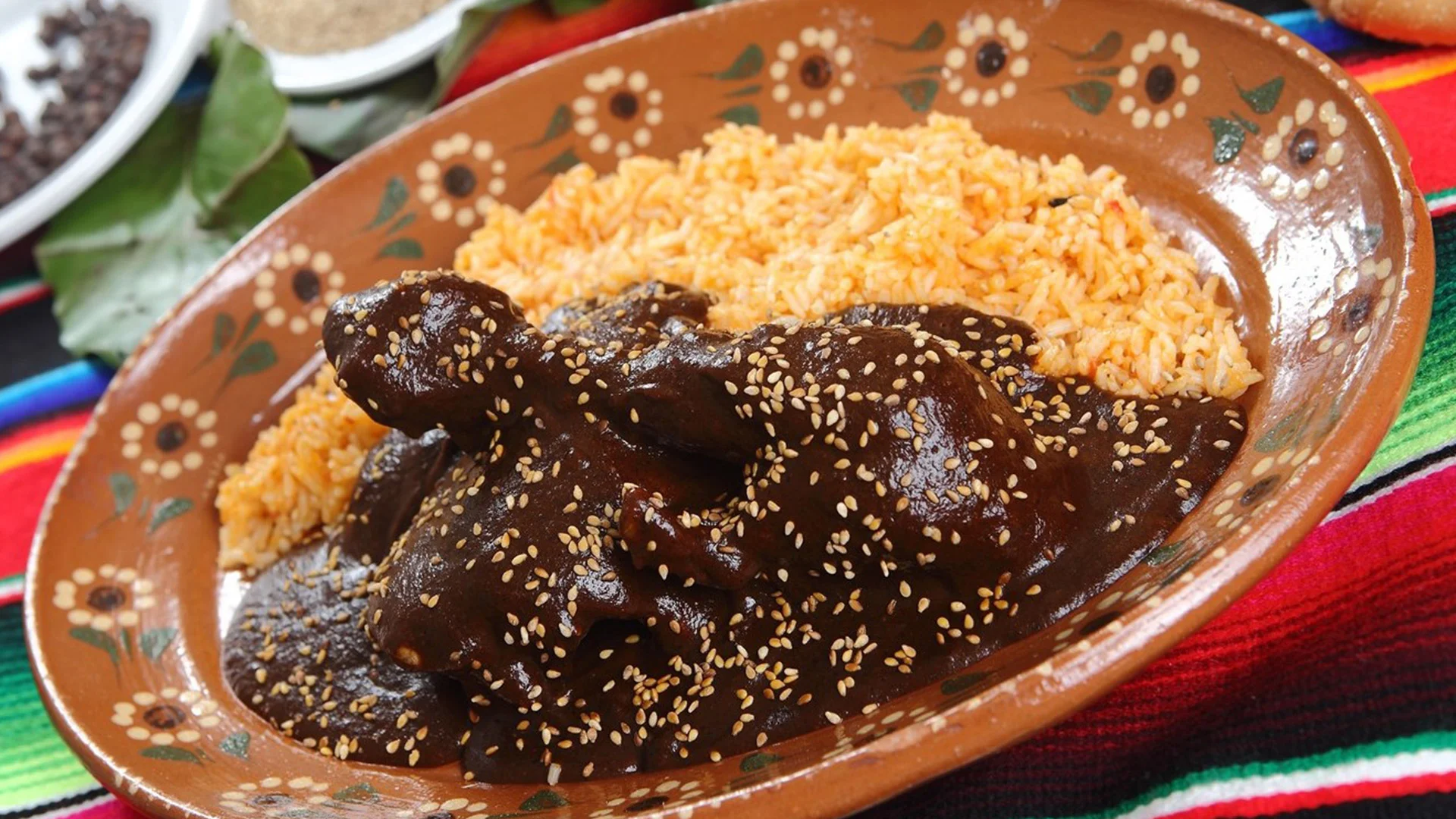
Diving into Mexican culture without tasting the region’s iconic staples is unthinkable. Tlayuda and Mole are far more than just food—they are symbols of community and tradition. While Mole traces its roots back to pre-Hispanic times, the Tlayuda is a more modern local icon. Whether enjoyed at a vibrant village market or during a family celebration, these dishes tell the story of the land. Here is what makes their flavors so unique and when to try them for an authentic experience.
The Tlayuda: Oaxaca’s ultimate night food
The foundation of a great Tlayuda starts with a massive, 30-centimeter white corn tortilla toasted on a flat clay comal. While corn has been a dietary staple for millennia, the crispy, oversized Tlayuda we know today became popular in Oaxaca’s Central Valleys around the 1930s and 1940s.
It is spread with asiento (unrefined pork lard) and a smooth black bean puree, then topped with cabbage, avocado, meats like tasajo (cured beef), and the real star of the show: quesillo (Oaxacan string cheese). Handcrafted spicy salsas add the final touch to this simple yet satisfying feast.
If you want to know when to eat a Tlayuda, just step outside at nightfall. It is the quintessential evening dish, best enjoyed fresh from street stalls. Look for spots where the tortilla is folded over and toasted directly over open embers. Grabbing one late at night is an unforgettable dive into local life.
Mole: A centuries-old culinary masterpiece
Mole traces its origins back to the Aztec “mulli”, a mixture of ground chilies prepared long before the Spanish arrived. Its current form, enriched with European ingredients like cinnamon and almonds, evolved during the colonial era between the 17th and 18th centuries.
Preparing Mole is an art form requiring intense patience that often brings generations of cooks together. It is a complex process, sometimes incorporating over thirty ingredients, including cacao, nuts, seeds, and spices. Oaxaca is famous for its seven distinct varieties of Mole, ranging from the deep, complex Mole Negro to the fresh, herbaceous Mole Verde.Because of its rich history, Mole is the go-to dish for major celebrations like weddings, baptisms, and local fiestas. It is traditionally served over chicken alongside plain white rice, allowing the intricate flavor profile of the sauce to take center stage.
Together, Tlayuda and Mole form the undisputed backbone of Oaxacan gastronomy—a perfect balance of rustic street food and timeless tradition.
Plata rolls quietly in a sleek grey shade inspired by mineral landscapes and open roads. Honda 125cc built for freedom and easy exploration.

Salina moves in a bright white tone, inspired by mineral landscapes and Pacific salt flats. Clean lines, strong presence, built for escape. 5 doors, four wheel drive, roof bars and always prepared for any adventures. Available either as a basic or a fully-equipped vehicle.

Nube floats over dusty tracks, weightless and free. A white Honda XR 190 built for slow mornings, wide horizons, and roads that don’t need a destination.

Coyote runs wild under the Pacific sun, flowing easily from coast to mountains. Its beige finish keeps a low profile in any terrain. 5 doors, four wheel drive, roof rack and always ready. Available either as a basic or a fully-equipped vehicle.

Duna is a Honda XR 190 born for dry paths and wide silence. Enough power to roam freely, enough calm to enjoy the ride.

Tinto is tiny, feisty, and shining in Burgundy. Honda 125cc ready for playful rides, desert tracks, and golden sunsets.

Cayuco floats through dusty paths and rocky tracks with a grin. Beige body, 5 doors, 4×4, roof rack, your little pirogue on wheels. Take it light or fully loaded, and ride your own current.

Pantera is raw strength in Nomádico’s style. Our most capable vehicle yet: Toyota Tacoma TRD Sport, 4×4 power, premium comfort. Minimal setup or fully equipped overlander: your call.

Ocelote moves low and free under Oaxaca’s sun. It’s Arena’s twin, Jimny 4×4 with the same beige stealth. Minimal and solid. 5 doors, roof rack, and your choice of setup: light or loaded.